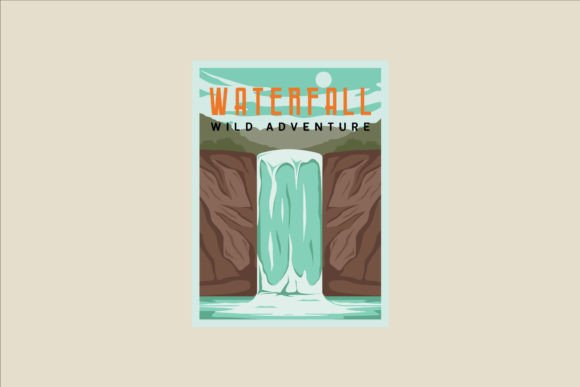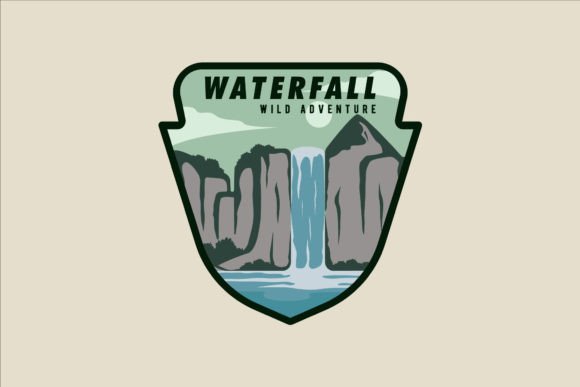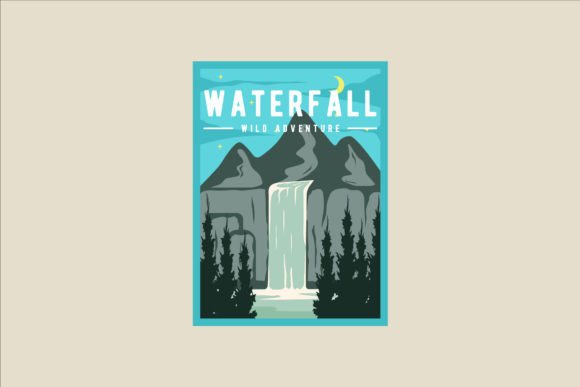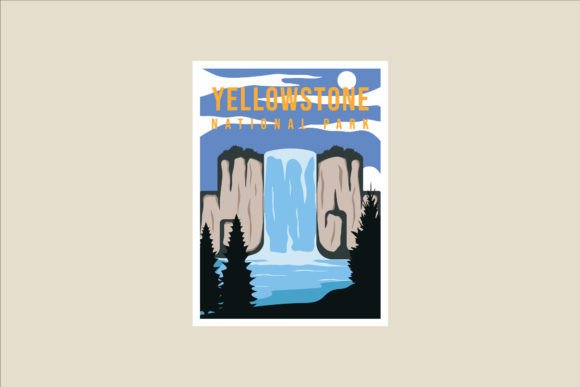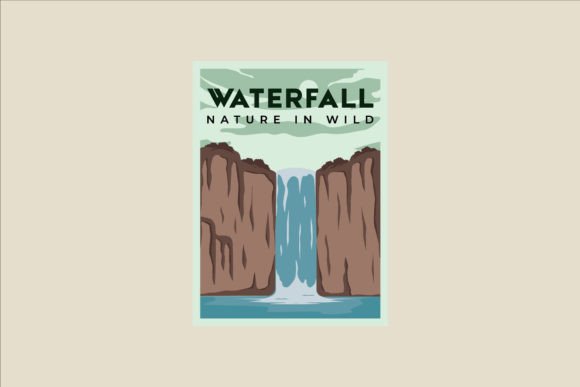
Waterfall Poster Vector Illustration: Graphics for Local Branding & Packaging
As a brand designer who’s helped over 200 small businesses refine their visual identity—from artisanal candle makers in Asheville to organic skincare studios in Portland—I recently evaluated the Waterfall Poster Vector Illustration for a real-world project: rebranding a mountain-town botanical tea shop. Their new line of seasonal herbal blends needed packaging that felt grounded, serene, and unmistakably local—not generic or stock-like. This is where the Waterfall Poster Vector Illustration stepped in—not as a standalone logo, but as a strategic graphic design asset anchoring their entire brand identity.
A First Impression That Feels Intentional, Not Decorative
The Waterfall Poster Vector Illustration opens with soft, layered gradients, clean vector linework, and a gentle sense of movement—less “postcard-perfect tourism ad,” more “quiet reverence for wild places.” It reads as organic, calm, and hand-crafted, not clinical or overly polished. That matters deeply for local business branding: customers instinctively trust visuals that align with a brand’s values. For our tea shop, it reinforced their commitment to native plants, sustainable foraging, and slow rituals—not mass production. It doesn’t scream “luxury” like gold foil or serif minimalism; instead, it suggests authentic presence. That makes it ideal for handmade businesses, wellness brands, florists, home decor shops, and even children’s product lines centered on nature storytelling.
Where This Graphic Template Earns Its Place in Real Business Design
This isn’t just a pretty backdrop—it’s a versatile graphic design asset that strengthens multiple touchpoints across a small business’s ecosystem:
- Packaging design: Used as a subtle watermark on kraft tea boxes, or scaled down as a border on compostable pouch seals—adding texture without clutter.
- Product label: Placed behind hand-lettered flavor names (e.g., “Cascade Mint” or “Mistroot Chamomile”) to reinforce naming with visual metaphor.
- Thank-you cards & hang tags: Printed on seeded paper with a single waterfall motif—creating emotional resonance at unboxing.
- Social media graphics: Layered over real product photos in Instagram carousels to unify campaign visuals for a spring “Mountain Bloom” launch.
- Printable inserts: Included in subscription boxes as a fold-out botanical guide—blending illustration with editorial design.
- Seasonal campaign visuals: Adapted into limited-edition sticker sheets and café menu banners during hiking season—driving local foot traffic.
Each use supports stronger visual hierarchy, clearer brand identity, and more consistent small business branding. When customers see that same gentle waterfall motif on a jar label, a tote bag, and an Instagram Story, recognition deepens—and trust follows.
Where It Shines (and Where to Pause)
The Waterfall Poster Vector Illustration excels as a decorative brand element, especially when paired with natural materials (kraft paper, linen, stone textures) or soft color palettes (muted sage, fog gray, oat cream). It works beautifully on:
- Product mockups for web stores and market booths
- Hero graphics for boutique websites and email headers
- Decorative accents on price lists, menus, and café chalkboard illustrations
- Background elements for printable social media graphics and digital ads
- Seasonal packaging updates—think holiday tea tins or summer festival merch
But caution is wise in contexts where clarity trumps atmosphere. Avoid placing it directly behind dense ingredient lists, legal disclaimers, or small-print certifications. It shouldn’t compete with your logo design on business cards or dominate low-contrast backgrounds (e.g., light gray text on a pale blue waterfall wash). And while it adds warmth to rustic or organic brands, it may feel tonally misaligned with strict luxury minimalist identities—or formal corporate branding for law firms or financial advisors.
Practical Designer Notes Before You Commit
Before integrating this graphic template into client work or your own handmade business, run these checks:
- Test it on real packaging mockups—not just digital previews. Does it scale cleanly on a 2 oz soap label? Does it hold detail when printed at 1.5 inches tall?
- Check black-and-white usage. Some vector layers fade or disappear in grayscale—critical for cost-effective printing or accessibility compliance.
- Preview alongside your brand fonts. Does it harmonize with your chosen serif (for elegance), sans serif (for clarity), or script font (for warmth)?
- Verify SVG editability. Can you isolate water, rocks, and foliage to recolor individually? Or is it flattened—limiting flexibility for future campaigns?
- Review PNG transparency. If using for stickers or overlays, ensure crisp edges and no hidden background artifacts.
- Confirm commercial licensing. This is non-negotiable. Ensure your license covers physical product sales, client projects, and digital distribution—especially if selling via Etsy, Shopify, or farmers’ markets.
- Compare against competitor packaging. Does it differentiate your brand—or blend into the “nature aesthetic” noise?
For local business owners, this level of scrutiny transforms a simple graphic template from decoration into deliberate professional branding. The Waterfall Poster Vector Illustration isn’t about filling space—it’s about reinforcing story, supporting recognition, and elevating everyday moments (like choosing a tea or unwrapping soap) into meaningful experiences.
Final Thought: A Tool for Intentional Local Branding
In an era where consumers choose small businesses for authenticity—not algorithms—the right graphic design asset becomes part of your brand’s voice. The Waterfall Poster Vector Illustration doesn’t replace thoughtful logo design or strategic packaging design. Instead, it amplifies them—adding quiet confidence to your product label, grounding your social media graphics, and giving your marketing visuals a cohesive, human-centered rhythm. Whether you’re launching a candle line in Savannah or redesigning jam labels in Vermont, treat it not as clipart—but as a considered element in your small business branding toolkit. Because the best local brands don’t just look good—they feel true.