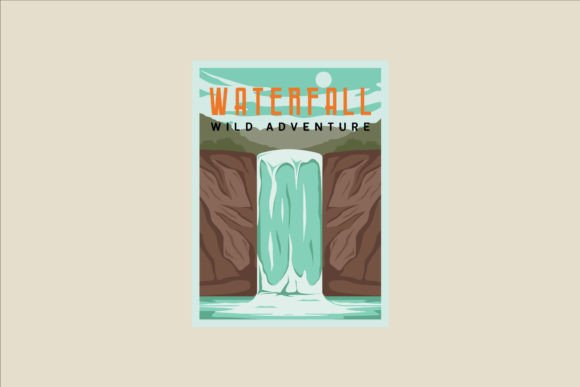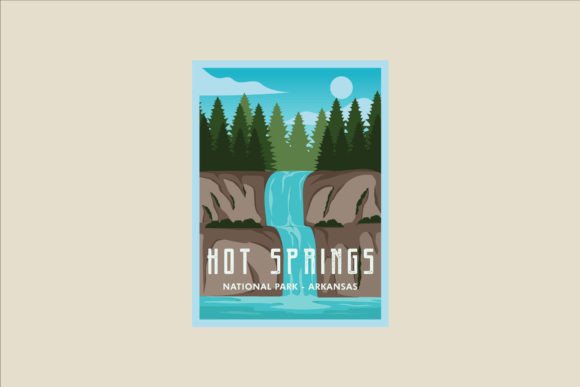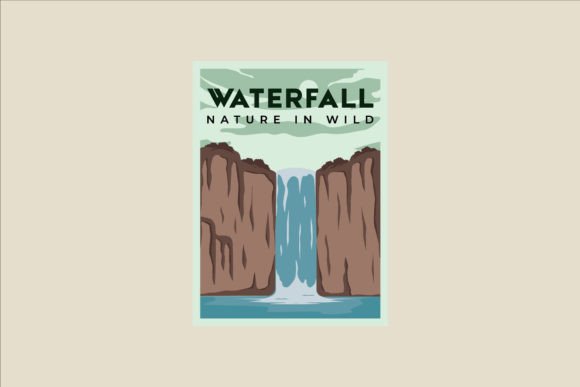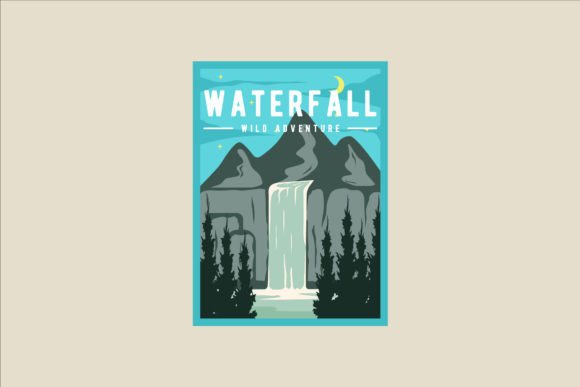
Carpentry Poster Vector Vintage Design: Graphics & Graphic Templates
As a graphic designer who’s built brand identities for handmade furniture makers, local sawmills, and rustic home goods boutiques over the past 12 years, I opened Carpentry Poster Vector Vintage Design expecting nostalgic charm—and found something more useful: a tightly crafted, production-ready graphic design asset with clear stylistic intent and strong visual cohesion.
A First Impression That Sets the Mood Right
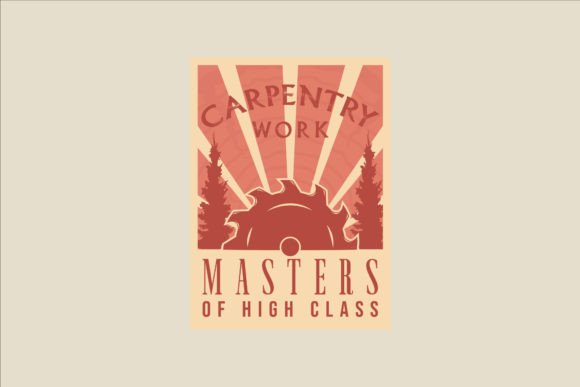
The moment you zoom in, it’s clear this isn’t just “vintage-style” window dressing. The linework has deliberate weight—thick outlines on hand-drawn tools, subtle grain texture layered beneath the typography, and intentional imperfections in the halftone shading that echo mid-century print reproduction. It reads as warm, grounded, and quietly confident—not kitschy or over-processed. That matters when your client is a small business owner launching a line of reclaimed wood cutting boards or hosting a “Timber Harvest Festival” pop-up. This design doesn’t shout; it invites attention through authenticity.
Where It Shines in Real Client Projects
Carpentry Poster Vector Vintage Design excels where thematic resonance and tactile storytelling matter most:
- Product mockups—especially for packaging design, Etsy product listings, or print-on-demand mugs and tote bags. Its balanced negative space lets you layer product photography without visual competition.
- Social media graphics—as a hero banner for Instagram Stories or Pinterest pins promoting seasonal workshops, craft fairs, or limited-edition tool kits. Its retro palette (ochre, deep forest green, cream) converts beautifully to digital screens.
- Printable design assets—think workshop invitations, event signage, or printable wall art for a carpenter’s studio. Because it’s a vector file, scaling from A4 handouts to 24"x36" posters retains crispness.
- Cricut projects and sublimation design—the clean cut lines and well-isolated elements make it ideal for vinyl decals, iron-on transfers, or laser-cut stencils.
- Brand identity support—not as a logo, but as a complementary illustration system. Pair it with a sturdy serif font (like Playfair Display) or a restrained script (e.g., Cinzel Decorative), and it reinforces craftsmanship without overwhelming core messaging.
Where to Use It With Intention
This isn’t a universal plug-and-play asset. It performs best when given breathing room and context. Avoid dropping Carpentry Poster Vector Vintage Design into:
- Small-scale applications like favicon icons or app interface elements—fine details (e.g., chisel notches, wood grain strokes) lose legibility under 100px width.
- Crowded layouts where competing patterns or high-saturation photography already dominate. Its strength is mood-setting, not multitasking.
- Minimalist branding systems built around ultra-thin sans serifs (e.g., Inter Light, Neue Haas Grotesk). The contrast can feel jarring unless intentionally curated.
- Corporate B2B materials—law firms, fintech startups, or medical device manufacturers won’t benefit from its artisanal tone.
How It Shapes Perception—Beyond Aesthetics
In real-world use, this graphic design asset does heavy lifting for emotional appeal and audience trust. When a handmade business uses Carpentry Poster Vector Vintage Design on their “About” page or product labels, it signals intentionality—not just “we make things,” but “we honor process, material, and legacy.” That builds recognition faster than generic stock art. It also strengthens visual hierarchy by anchoring attention to central motifs (a vintage saw, timber stack, or hand-lettered shop name), guiding the eye before text even registers.
Crucially, it avoids looking dated—it feels *timeless*, not time-stamped. That distinction keeps it viable across seasons and prevents rapid visual fatigue in long-running campaigns.
Practical Designer Notes Before You Commit
Before importing Carpentry Poster Vector Vintage Design into your client’s Canva template, Cricut project, or Adobe Illustrator brand guide, run these checks:
- Test in black and white—confirm key shapes retain clarity without color cues.
- Preview on both light and dark backgrounds—some vintage textures fade on off-whites or get muddy on charcoal.
- Scale it down to 25% and up to 300%—verify no vector paths collapse or distort at extremes.
- Drop it onto realistic product mockups—a t-shirt mockup reveals how the illustration wraps, while a wooden crate mockup tests tonal harmony.
- Check print output—run a test print at 300 DPI on uncoated paper to assess ink bleed and texture fidelity.
- Inspect file formats—if PNGs are included, verify transparency is clean (no fringing or semi-opaque edges). If SVG is provided, open in Illustrator to confirm grouped layers and editable type (or outlined text, if intentional).
- Compare font pairings—try it beside serif, sans serif, script, and display fonts. It harmonizes best with humanist or transitional serifs and relaxed scripts—not geometric sans or aggressive display fonts.
- Confirm commercial license—this is non-negotiable. Ensure the license explicitly permits use in client work, print-on-demand, and digital resale (e.g., as part of an Etsy printable design bundle).
Final Verdict: A Thoughtful Addition to Your Creative Marketplace Toolkit
Carpentry Poster Vector Vintage Design isn’t flashy—but it’s reliable. It’s the kind of graphic design asset I reach for when a client needs warmth without cliché, heritage without stiffness, and visual distinction without complexity. Whether you’re building a cohesive set of marketing visuals for a local lumberyard, designing a sticker pack for a woodworking YouTube channel, or creating editorial illustrations for a craft magazine, this vector illustration delivers consistent tone and professional polish. Paired with smart typography, thoughtful spacing, and authentic content, it becomes more than decoration—it becomes part of the story.
For designers, small business branding strategists, and digital sellers alike, it’s a reminder that the strongest creative design isn’t always the loudest—it’s the one that feels earned.