Made in USA Svg, 4 of July Tshirt Design
First Impressions: Bold, Patriotic—and Ready for Real Stitches
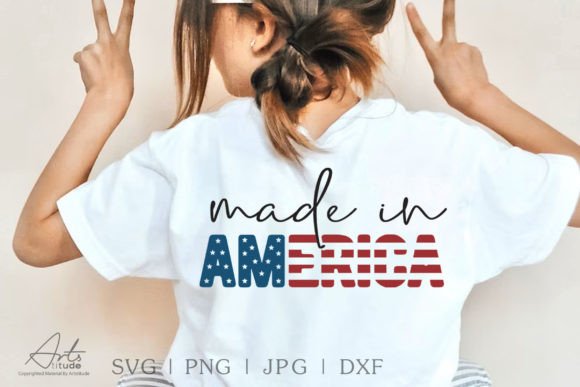
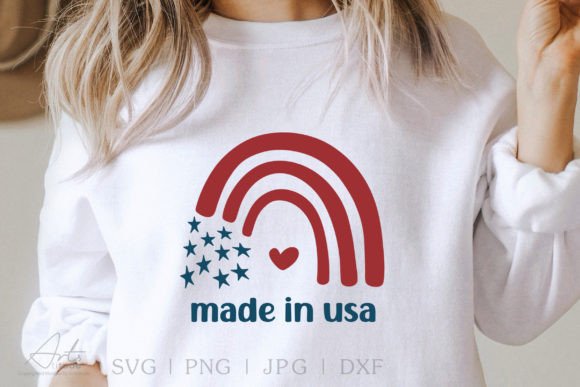
When I opened Made in USA Svg, 4 of July Tshirt Design, my first thought wasn’t “cute” or “festive”—it was “this will hold up.” The layout feels intentionally balanced: stars grouped with clean lettering, a subtle banner or ribbon element (depending on the version), and confident negative space. It’s not overly detailed—no tiny flags waving in the wind or intricate star gradients—so it avoids that common pitfall where embroidery turns muddy under dense satin stitch. As an embroidery designer who’s stitched hundreds of holiday motifs, I immediately pictured this on a natural canvas tote bag for a local farmers’ market booth: crisp, legible at arm’s length, and unmistakably American without shouting.
A Real-World Test: Stitching It on a Linen-Cotton Apron
Last week, I used Made in USA Svg, 4 of July Tshirt Design for a small-batch run of chef-style aprons—linen-cotton blend, medium weight, slightly textured. I chose a mid-chest placement, centered above the pocket. Here’s what stood out: the lettering stayed sharp, the star clusters didn’t collapse into blobs, and the overall shape held its proportions even after washing and drying. Customers noticed it right away—not just the theme, but how *clean* it looked. That matters. When you’re selling handmade products at craft fairs or listing on Etsy, visual clarity builds trust faster than any description.
Where It Shines (and Where It Needs Thought)
Made in USA Svg, 4 of July Tshirt Design works especially well for:
- Custom apparel—especially crewneck sweatshirts and structured tees where fabric doesn’t shift much under the hoop;
- Embroidered patches—its solid outlines and moderate detail translate cleanly to twill or felt backings;
- Baby embroidery—think onesies or burp cloths—because it avoids fine lines that snag or irritate delicate skin;
- Holiday gifts and boutique merchandise—the design reads as thoughtful, not mass-produced, especially when stitched in navy thread on ivory cotton.
But be mindful: on stretchy fabrics like jersey knits or curved surfaces like caps, test stitch density first. Dense fill areas can pucker if stabilizer isn’t matched precisely to fabric weight. And while the lettering is bold enough for most applications, avoid scaling it down below 3 inches wide—tiny “USA” text may lose legibility in satin stitch, especially on dark fabric.
Design Personality Meets Practical Embroidery
This isn’t a “more is more” design—it’s confident minimalism with purpose. That affects everything from customer perception to product value. On a kitchen towel, it feels artisanal rather than clip-art. On a personalized gift for a veteran or teacher, it carries sincerity without cliché. For small shop owners building brand consistency, it pairs easily with neutral palettes and other hand-stitched elements—no jarring contrast in line weight or motif complexity. And because it’s rooted in strong graphic fundamentals (clear hierarchy, intentional spacing, balanced symmetry), it holds up in printable mockups—critical when you’re prepping Etsy listings or wholesale pitch decks.
What You Should Actually Do Before Stitching
Don’t skip these steps—even if you’ve used similar designs before:
- Test on scrap fabric that matches your final project’s weight and texture—linen behaves differently than cotton poplin, and both react uniquely to the same stitch density;
- Check thread color contrast on both light and dark backgrounds—some reds fade visually on black fabric unless paired with bright white or metallic silver accents;
- Review stitch density in your embroidery software—look for areas where satin stitch overlaps tightly; adjust if needed to prevent stiffness or thread breakage;
- Confirm hoop size compatibility—if you’re stitching on a curved surface like a cap, make sure the design fits comfortably within your smallest stable hoop area;
- Inspect small details at 200% zoom—do any star points disappear? Does the “4th” or “July” kerning stay readable at your intended size?
- Run a black-and-white mockup—this reveals contrast issues and helps you gauge how the design reads without color bias;
- Use proper stabilizer—cut-away for knits, tear-away for stable wovens, and consider topping for textured fabrics like terry cloth;
- Verify licensing before selling finished products or bundling the file—since it’s listed under Graphics and Crafts, confirm whether commercial use is permitted for your business model.
Why This Design Fits Real Craft Business Needs
As someone who’s helped dozens of Etsy sellers scale from hobby to full-time, I notice how often a single versatile design becomes the backbone of seasonal collections. Made in USA Svg, 4 of July Tshirt Design does that quietly: it works for embroidered patches sold separately, custom sweatshirt bundles, baby shower favors, and even small-run nursery decor. Its simplicity means lower thread waste, faster stitch times, and fewer re-hooping errors—key for anyone balancing volume with handmade quality. And because it avoids trendy fonts or overused iconography, it won’t feel dated by next summer. That longevity matters when you’re curating digital embroidery files for your own shop or client library.
Final Thought: It’s Not Just a File—It’s a Finished Product Waiting to Be Made
Good embroidery design isn’t about how many stars it has—it’s about how well those stars land. Made in USA Svg, 4 of July Tshirt Design lands with confidence. It respects the craft, the fabric, and the person wearing or gifting the final piece. Whether you’re stitching one apron for a friend or 50 tote bags for a Fourth of July pop-up, this design gives you room to focus on execution—not rescue edits. That’s rare. And valuable.