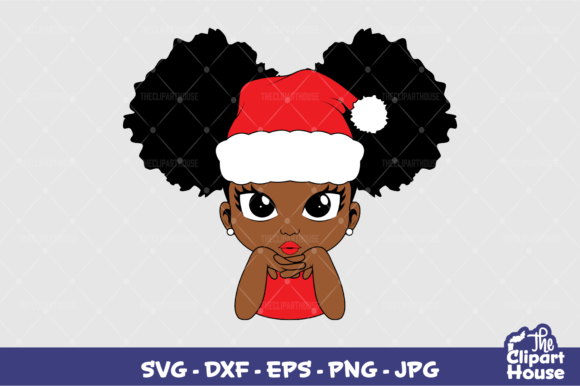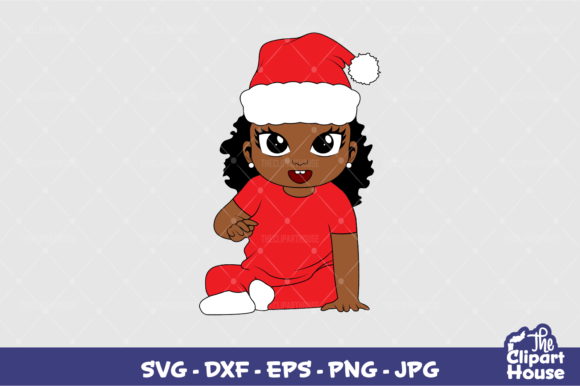
Christmas Baby Girl Graphics for Crafts
A Designer’s First Glance: Whimsy, Warmth, and Seasonal Clarity
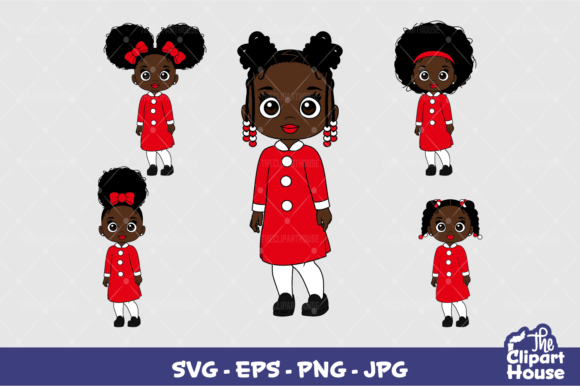
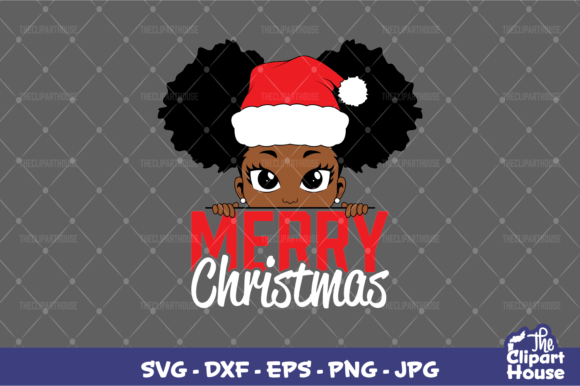
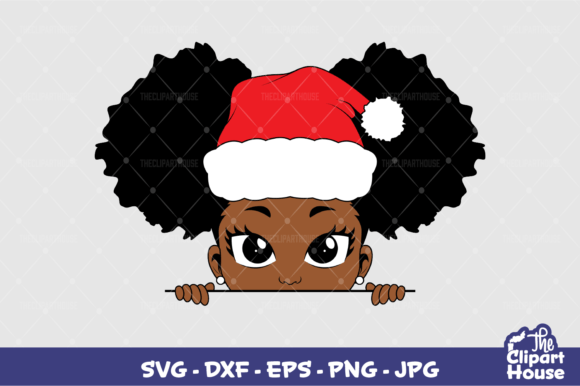
Opening Christmas Baby Girl feels like unboxing a hand-picked holiday sketchbook—soft watercolor textures meet clean line work, delicate florals frame a gentle baby silhouette, and subtle gold foil accents suggest quiet luxury. It’s not overly ornate, nor is it minimalist. Instead, it lands in that sweet spot many handmade businesses crave: approachable elegance with clear seasonal intent. As a designer building visual identity for a boutique children’s apparel line launching its first holiday collection, this asset immediately sparked a mood board—think ivory linen tags, blush-and-cream gift wrap, Instagram Reels with slow-motion snowfall overlays, and packaging that whispers “thoughtful,” not “mass-produced.”
Where Christmas Baby Girl Earns Its Place in Real Client Work
This graphic design asset shines brightest when supporting emotional storytelling—not commanding center stage alone. In logo design, it works brilliantly as a secondary mark or brand embellishment beside a clean sans serif logotype. For packaging design, it elevates tissue paper prints, hang tags, and gift box liners without competing with product photography. On product mockups—especially for onesies, baby blankets, or ceramic mugs—it adds instant thematic cohesion and warmth.
As marketing visuals, Christmas Baby Girl performs exceptionally well in social media graphics: Pinterest pins gain soft focus and shareability; Instagram carousels use it as a consistent decorative motif across slides; Canva templates built around it feel cohesive and on-brand for small business owners managing their own content. In editorial design—think holiday lookbooks or Etsy shop newsletters—it serves as a unifying visual thread, reinforcing seasonal messaging without sacrificing readability.
For crafters and Cricut users, the asset delivers practical versatility. Design is suitable with Cricut, Silhouette, and other cutting machines—so vinyl decals, iron-on transfers for organic cotton rompers, and custom sticker sheets all translate cleanly. As a sublimation design or printable design, it holds up beautifully on invitations, stationery suites, and party favor tags—especially when layered over muted backgrounds or paired with handwritten fonts.
Layout Intelligence: When to Lean In—and When to Step Back
Christmas Baby Girl thrives in medium-to-large layout areas: hero banners on Shopify product pages, full-bleed printable wall art, oversized tote bag prints, and festive email headers. Its balanced negative space and intentional scale make it ideal for themed collections—say, a trio of holiday designs (Baby Boy, Baby Girl, Sibling Set) used consistently across labels, stickers, and digital ads.
Use caution in tight spaces. At under 1.5 inches wide, fine details—like tiny holly berries or lace trim—can blur or disappear, especially in heat transfer printing or low-DPI web exports. Avoid placing it directly over complex or high-contrast backgrounds; its gentle palette loses definition against busy patterns or dark gradients. It’s also not suited for minimalist branding systems that prioritize stark geometry or ultra-thin typography—here, it risks feeling tonally disconnected.
Design Impact: Trust, Tone, and Audience Resonance
This isn’t just clipart—it’s a tone-setter. Used thoughtfully, Christmas Baby Girl strengthens visual trust by signaling care, tradition, and tenderness—key emotional cues for parents shopping for heirloom-quality baby goods. It boosts audience engagement through relatable seasonal joy, not cliché. But it only reinforces brand consistency if aligned with broader visual choices: pairing it with a warm serif font (e.g., Playfair Display) or a gentle script (e.g., Pacifico) deepens cohesion; forcing it beside aggressive display fonts or rigid monospace type undermines its inherent softness.
Readability stays strong when used as an accent—not primary text carrier. Its illustration style supports hierarchy by guiding the eye *around* copy, not over it. And crucially, it reads as authentically handmade, which builds credibility for Etsy products and local craft fairs far more effectively than generic stock vectors.
Practical Designer Notes Before You Commit
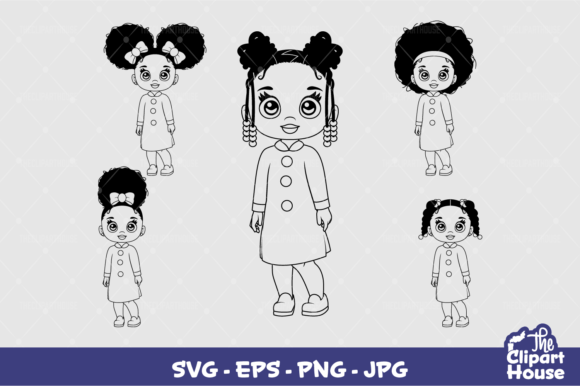
- Test in black and white—verify key shapes hold up for embroidery or monochrome print runs.
- Check contrast on both light and dark backgrounds; some PNG versions may include semi-transparent layers that shift appearance unexpectedly.
- Preview at real-world sizes: zoom out to 25% to simulate mobile viewing; zoom in to 200% to inspect SVG vector paths or PNG edge clarity.
- Place on actual mockups—not just flat previews. Try it on a folded invitation, a curved mug, or a textured fabric swatch.
- Verify file formats: confirm SVG scalability, PNG transparency integrity, and whether layered PSD files are included for deeper customization.
- Compare with your font system: test alongside serif, sans serif, script, and handwritten options to see where hierarchy feels most natural.
- Confirm commercial license terms—especially for print-on-demand sellers and digital product creators. Does it cover unlimited end products? Resale rights? Attribution requirements?
Final Verdict: A Thoughtful Addition to Your Creative Toolkit
Christmas Baby Girl isn’t a one-size-fits-all solution—but for designers working with heartfelt brands, seasonal campaigns, or handmade business launches, it’s a quietly powerful creative design asset. It bridges the gap between playful and polished, digital and tactile, festive and timeless. When used with intention—as part of a considered design bundle, not a standalone filler—it elevates everything from t-shirt design to social media graphics to product mockups. Just remember: great design isn’t about dropping in pretty graphics. It’s about choosing the right one—and knowing exactly how, where, and why it earns its place.